
Will the Middle East Crisis Lead to More Government Debt Relief Programs in 2026?
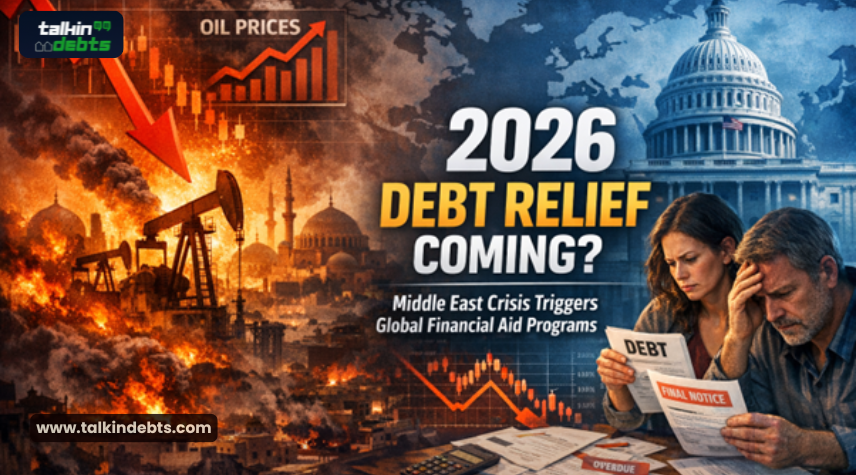
Global economic tensions intensify as policymakers weigh financial aid programs and debt relief policies amid rising instability.
Rising Geopolitical Tensions Spark Economic Concerns
The ongoing crisis in the Middle East has once again placed global markets under pressure, raising serious concerns about economic stability in 2026. From disrupted oil supplies to volatile trade routes, the ripple effects are already being felt across continents. As inflation risks rise and economic growth slows, governments worldwide are being forced to reconsider their fiscal strategies.
One key question now dominates financial and policy discussions: Will governments introduce more debt relief programs and financial aid programs to protect citizens and businesses from economic fallout?
Historically, periods of geopolitical instability have triggered increased government intervention. In 2026, this pattern appears to be repeating, with early signs pointing toward expanded government debt relief programs and revised debt relief policies.
How the Middle East Crisis Impacts Global Economies
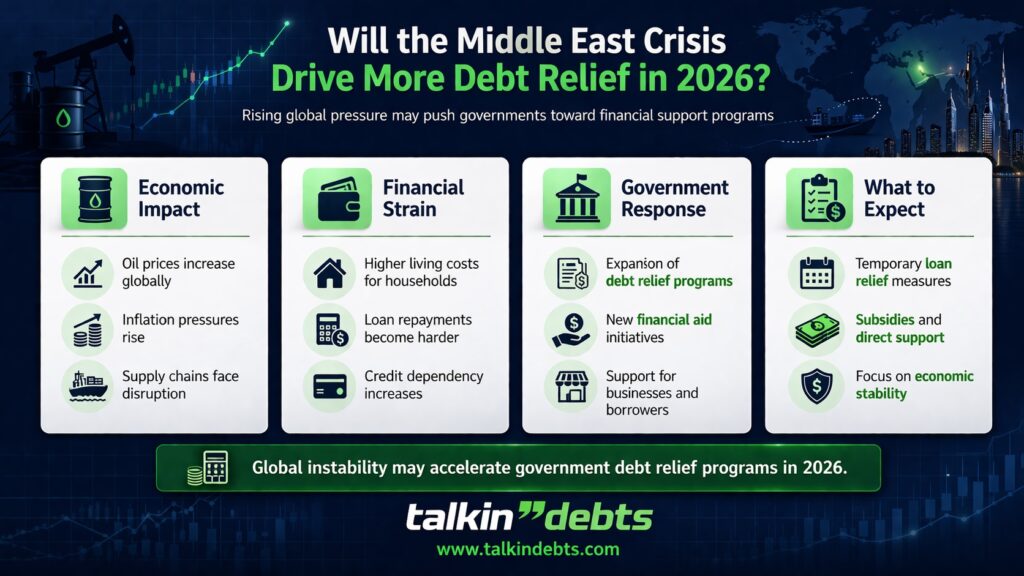
The Middle East plays a critical role in global energy supply chains. Any disruption in the region immediately affects oil prices, transportation costs, and overall inflation levels. In recent months, escalating tensions have caused crude oil prices to surge, leading to increased production and logistics costs worldwide.
This has several consequences:
- Higher fuel prices are impacting households and businesses
- Increased cost of goods due to supply chain disruptions
- Rising inflation is putting pressure on central banks
- Reduced consumer spending and economic slowdown
As inflation rises, individuals with existing debt—such as credit cards, personal loans, and mortgages—face increased financial strain. This creates a growing demand for financial aid programs and structured government debt relief programs.
Governments Under Pressure to Act
With economic pressure mounting, governments are being pushed to take proactive measures. Policymakers are aware that without intervention, rising debt burdens could lead to widespread defaults, reduced economic activity, and even recession in some regions.
Several governments have already hinted at potential responses, including:
- Expansion of existing debt relief policies
- Introduction of new financial aid programs for vulnerable groups
- Temporary suspension of loan repayments
- Interest rate subsidies or caps
- Targeted relief for small businesses
The goal is clear: prevent economic distress from turning into a full-scale financial crisis.
Lessons from Past Crises
To understand what might happen in 2026, it is important to look at past global crises. During events such as the COVID-19 pandemic and previous geopolitical conflicts, governments rolled out massive government debt relief programs to stabilize economies.
Key examples include:
- Payment moratoriums on loans and mortgages
- Direct financial aid programs for individuals
- Stimulus packages to support businesses
- Debt restructuring initiatives
These measures helped prevent economic collapse and provided temporary relief to millions. However, they also significantly increased government debt levels.
Now, with another global disruption unfolding, similar strategies are likely to be revisited—though with more caution due to already high fiscal deficits.
Rising Demand for Debt Relief Policies in 2026
One of the most noticeable trends in 2026 is the growing demand for debt relief policies among both individuals and businesses. As living costs increase and incomes struggle to keep pace, debt repayment becomes more difficult.
Key drivers of this demand include:
- Inflation eroding purchasing power
- Rising interest rates increasing loan costs
- Job market uncertainties in affected sectors
- Increased reliance on credit for daily expenses
This has led to a surge in discussions around government debt relief programs, particularly in developing economies where financial resilience is lower.
Financial Aid Programs as a Short-Term Solution
While long-term structural reforms take time, governments often rely on financial aid programs as immediate relief tools. These programs are designed to provide quick support to those most affected by economic shocks.
In 2026, expected financial aid measures may include:
- Direct cash transfers to low-income households
- Subsidies for essential goods and services
- Emergency funding for small and medium enterprises
- Support for sectors heavily impacted by global disruptions
Such financial aid programs not only provide relief but also help maintain consumer spending, which is crucial for economic stability.
The Challenge of Balancing Relief and Fiscal Responsibility
While expanding government debt relief programs can provide much-needed support, it also presents a significant challenge: increasing national debt.
Many countries are already dealing with high debt-to-GDP ratios due to previous crises. Introducing new debt relief policies could further strain public finances.
Governments must strike a delicate balance between:
- Supporting citizens and businesses
- Maintaining fiscal discipline
- Avoiding long-term economic instability
This has led to more targeted and conditional relief measures rather than broad, universal programs.
Regional Differences in Policy Responses
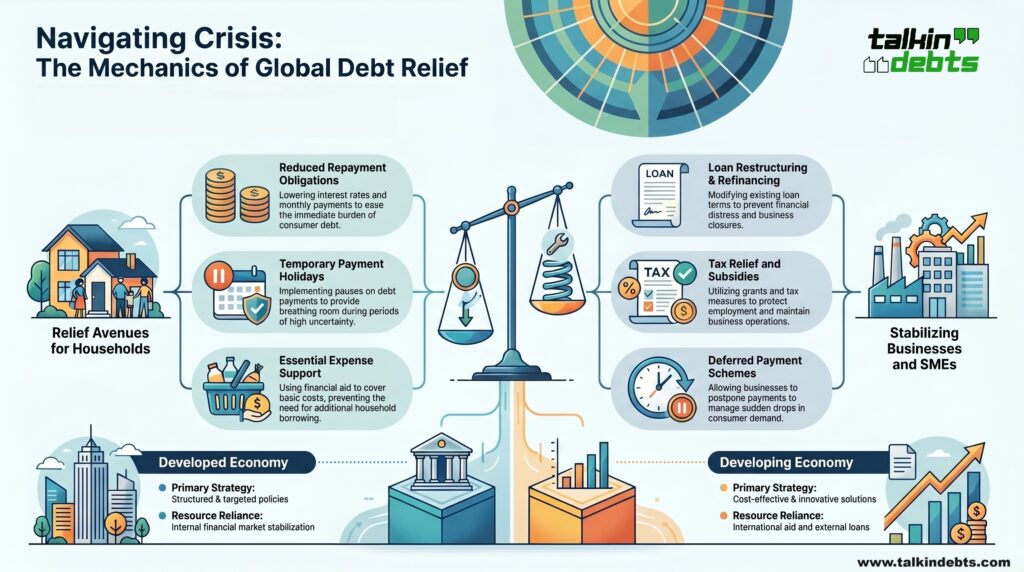
Not all countries will respond to the Middle East crisis in the same way. The scale and nature of government debt relief programs will vary depending on economic strength, political priorities, and existing fiscal capacity.
Developed Economies:
- More likely to introduce structured and targeted debt relief policies
- Greater ability to fund large-scale financial aid programs
- Focus on stabilizing financial markets
Developing Economies:
- Limited fiscal space for extensive relief measures
- Higher reliance on international aid and loans
- Greater need for innovative and cost-effective solutions
This divergence could lead to uneven global recovery patterns.
Impact on Individuals and Households
For everyday consumers, the Middle East crisis is not just a geopolitical issue—it directly affects financial well-being. Rising costs and economic uncertainty increase the burden of debt.
Expanded government debt relief programs could provide relief through:
- Reduced monthly repayment obligations
- Lower interest rates
- Temporary payment holidays
At the same time, financial aid programs can help cover essential expenses, reducing the need for additional borrowing.
However, access to these programs may depend on eligibility criteria, making it important for individuals to stay informed about available options.
Businesses Seek Support Through Relief Programs
Small and medium-sized enterprises (SMEs) are particularly vulnerable during economic disruptions. Increased costs and reduced demand can quickly lead to financial distress.
Governments may introduce debt relief policies specifically for businesses, such as:
- Loan restructuring and refinancing options
- Tax relief measures
- Grants and subsidies
- Deferred payment schemes
These financial aid programs are essential to prevent business closures and protect employment.
The Role of International Institutions
Global organizations and financial institutions are expected to play a key role in supporting national efforts. In times of crisis, coordinated international action becomes crucial.
Possible interventions include:
- Emergency funding for affected countries
- Technical support for implementing debt relief policies
- Debt restructuring assistance for heavily indebted nations
Such support can enhance the effectiveness of government debt relief programs and ensure broader economic stability.
What Lies Ahead for 2026
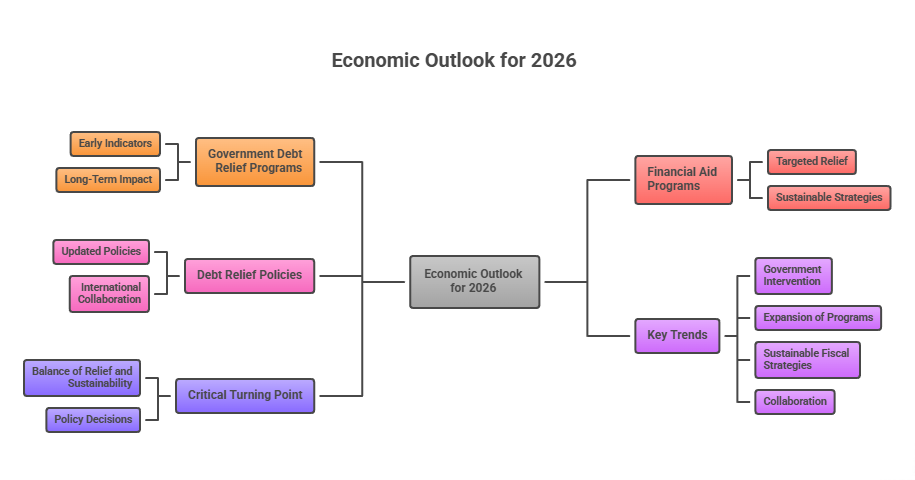
As the Middle East crisis continues to evolve, its economic implications will become clearer. However, early indicators suggest that government debt relief programs, financial aid programs, and updated debt relief policies will be central to the global response.
Key trends to watch include:
- Increased government intervention in financial markets
- Expansion of targeted relief programs
- Greater focus on sustainable fiscal strategies
- Collaboration between governments and international institutions
While these measures can provide short-term relief, their long-term impact will depend on how effectively they are implemented.
A Critical Turning Point for Economic Policy
The events of 2026 may mark a turning point in how governments approach economic crises. The balance between immediate relief and long-term sustainability will shape policy decisions in the years to come.
As nations navigate this challenging landscape, government debt relief programs and financial aid programs will remain essential tools in protecting economies and supporting citizens.
The question is no longer whether governments will act—but how far they are willing to go.