
Rising Oil Prices from Middle East Conflict Could Increase Household Debt Worldwide
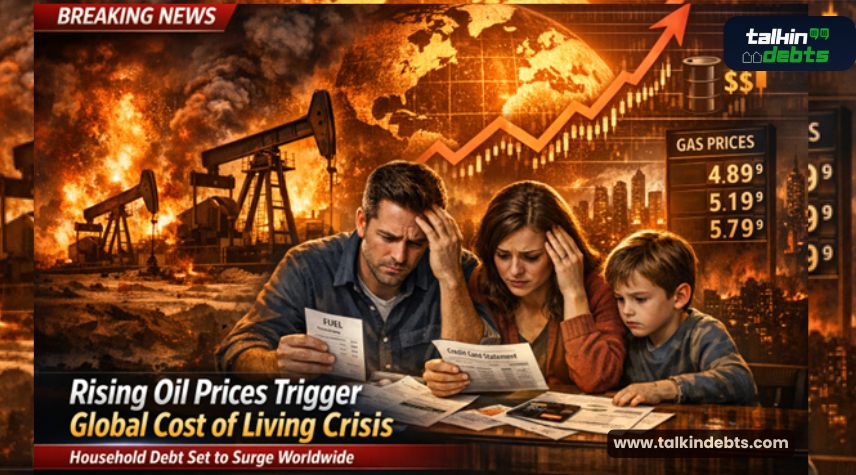
Global financial markets are once again on edge as escalating tensions in the Middle East push oil prices upward, reigniting fears of inflation and economic instability. While energy markets are the immediate focus, the ripple effects are being felt far beyond oil-producing regions. Economists warn that sustained increases in crude oil prices could significantly raise the cost of living, forcing households across the world to rely more heavily on credit, ultimately driving a new wave of household debt.
Oil Prices Surge Amid Geopolitical Tensions
The Middle East has long been a critical hub for global oil supply, and any disruption in the region has immediate consequences for energy markets. Recent conflicts and geopolitical uncertainty have tightened supply expectations, causing oil prices to climb steadily. Brent crude and WTI benchmarks have both shown sharp upward movements, reflecting market concerns over potential supply chain disruptions.
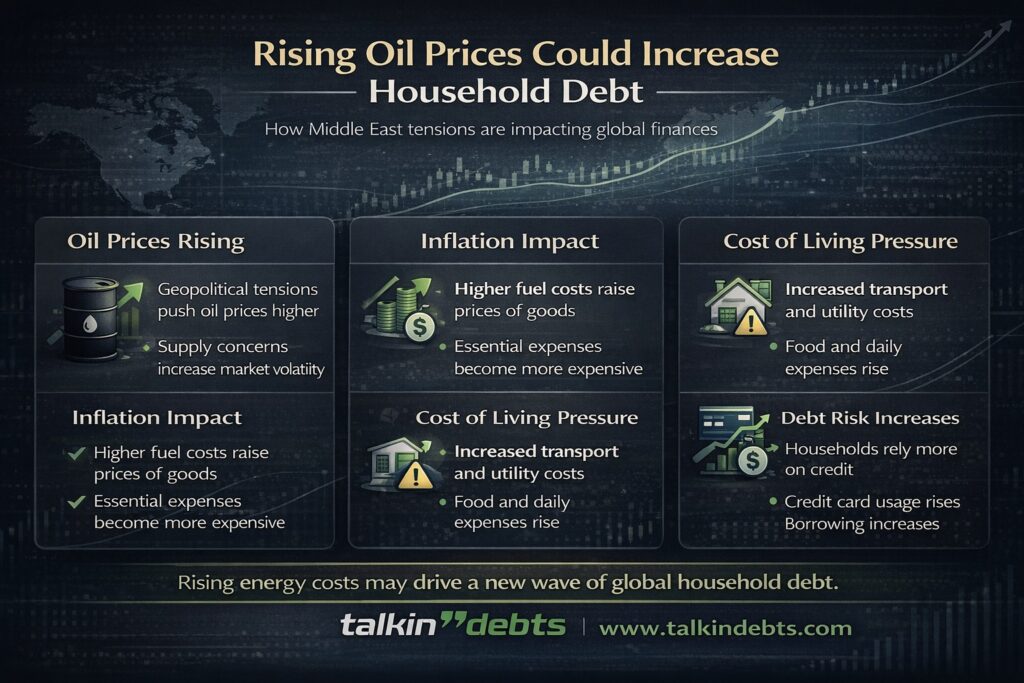
Energy analysts note that even the perception of instability can drive speculative trading, further amplifying price volatility. As oil prices rise, the cost of fuel, transportation, and manufacturing inputs increases, creating a cascading effect throughout the global economy.
Inflation Pressures Intensify
One of the most immediate consequences of rising oil prices is inflation. Fuel is a foundational input across industries, meaning higher energy costs translate into increased prices for goods and services. From groceries to public transport, households begin to feel the pressure almost instantly.
Inflation driven by energy costs is particularly challenging because it affects essential spending categories. Unlike discretionary expenses, households cannot easily reduce spending on fuel, electricity, or basic goods. This creates a financial squeeze, especially for middle- and lower-income groups who already allocate a large portion of their income to necessities.
Central banks are now facing a renewed dilemma. Efforts to control inflation through interest rate hikes could further strain borrowers, while maintaining lower rates risks allowing inflation to spiral. This delicate balancing act is adding uncertainty to financial markets and household financial planning.
Cost of Living Crisis Deepens
As oil prices continue to rise, the broader cost of living crisis is expected to intensify. Utility bills, transportation costs, and food prices are all directly or indirectly linked to energy costs. In many countries, households are already grappling with elevated living expenses following years of pandemic-related disruptions and economic recovery challenges.
The compounding effect of rising energy prices means that even modest increases can significantly impact monthly budgets. For example, higher fuel prices increase logistics costs, which are then passed on to consumers through higher retail prices. Similarly, increased energy costs raise production expenses for businesses, further driving inflation.
For households living paycheck to paycheck, these incremental increases can quickly become unmanageable, leading to a growing reliance on credit cards, personal loans, and other forms of borrowing.
Household Debt on the Rise
The link between rising living costs and increasing household debt is well established. When incomes fail to keep pace with inflation, households often turn to credit to bridge the gap. This trend is now becoming more pronounced as energy-driven inflation takes hold.
Credit card balances are expected to rise globally, particularly in economies where consumer credit is easily accessible. In developing markets, informal borrowing and microfinance loans may also see increased demand. While borrowing can provide short-term relief, it often leads to long-term financial stress if not managed carefully.
Financial institutions are already reporting early signs of increased borrowing activity. Higher utilization rates on credit lines and growing demand for short-term loans indicate that households are under financial pressure. If oil prices remain elevated, this trend could accelerate, pushing household debt levels to new highs.
Impact Across Different Economies
The effects of rising oil prices and increasing household debt are not uniform across the globe. Oil-importing countries are particularly vulnerable, as they face higher import bills and currency pressures. This can lead to depreciation, further increasing the cost of imported goods and fueling inflation.
In advanced economies, while social safety nets may provide some cushioning, rising interest rates and high living costs are still placing a significant strain on households. Mortgage payments, in particular, are becoming more burdensome as central banks maintain tight monetary policies.
Emerging markets face an even more complex challenge. Limited fiscal space and weaker currencies make it difficult for governments to subsidize fuel or provide financial relief. As a result, households in these regions may experience sharper increases in living costs and a higher likelihood of falling into debt.
Energy Costs and Consumer Behavior
Changing consumer behavior is another critical aspect of the current situation. As energy costs rise, households are forced to reprioritize spending. Discretionary spending on travel, entertainment, and luxury goods is often reduced, while essential expenses take precedence.
However, this shift does not eliminate financial pressure—it merely redistributes it. In many cases, reduced discretionary spending is not enough to offset rising essential costs, leading households to rely on credit. Over time, this can result in a cycle of debt accumulation, where borrowing becomes a necessity rather than a choice.
Retail sectors are already witnessing changes in consumer patterns, with increased demand for budget-friendly products and a decline in high-end purchases. This shift reflects the broader economic stress caused by rising energy costs.
The Role of Governments and Policy Responses
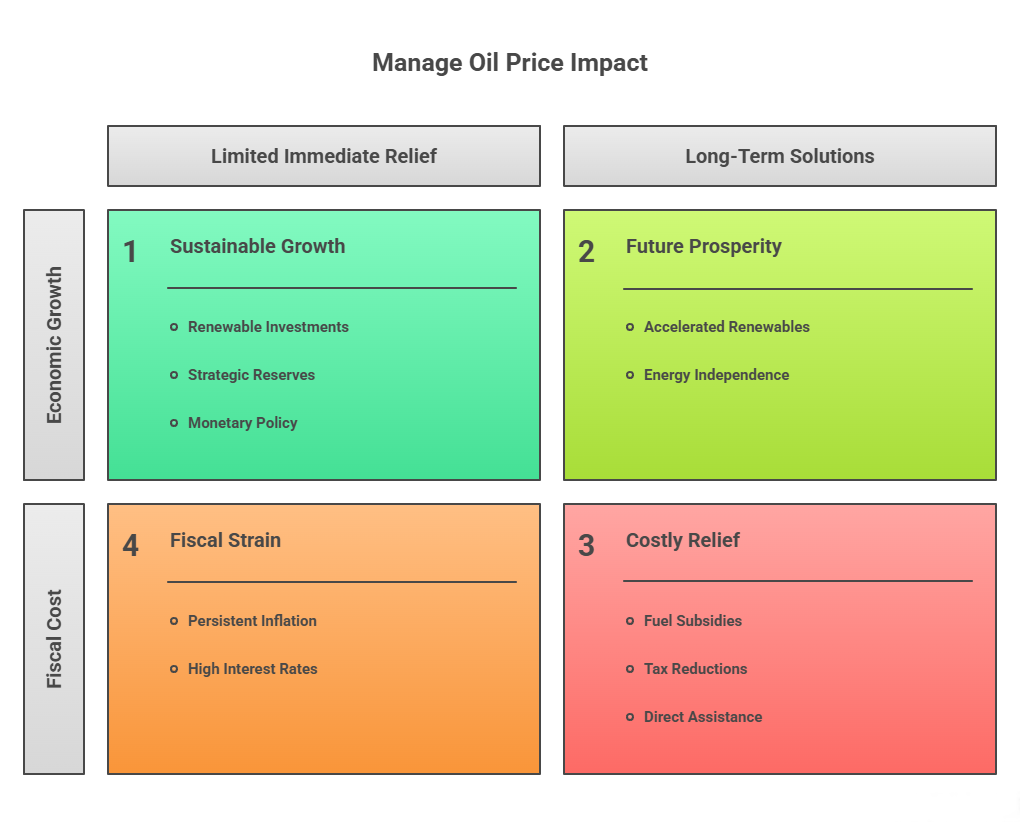
Governments around the world are under pressure to mitigate the impact of rising oil prices on households. Policy responses may include fuel subsidies, tax reductions, or direct financial assistance to vulnerable populations. However, these measures come with fiscal costs and may not be sustainable in the long term.
Some countries are also exploring strategic oil reserves to stabilize prices, while others are accelerating investments in renewable energy to reduce dependence on imported oil. While these strategies may provide long-term solutions, they offer limited immediate relief to households facing rising living costs.
Monetary policy also plays a crucial role. Central banks must carefully balance inflation control with economic growth. Aggressive rate hikes can curb inflation but may also increase borrowing costs, exacerbating the debt burden on households.
Long-Term Economic Implications
If high oil prices persist, the long-term implications for the global economy could be significant. Sustained inflation may lead to prolonged periods of high interest rates, reducing economic growth and increasing financial vulnerability.
Household debt levels could reach critical thresholds, particularly in economies where debt-to-income ratios are already high. This raises concerns about financial stability, as increased default rates could impact banking systems and credit markets.
Moreover, rising debt levels can limit future economic mobility for households. High debt burdens reduce disposable income, making it more difficult for families to save, invest, or respond to financial emergencies. This can have lasting effects on economic inequality and overall financial well-being.
Businesses and Employment Impact
The effects of rising oil prices are not limited to households—they also impact businesses and employment. Higher energy costs increase operational expenses, leading some companies to reduce production or pass costs onto consumers. In some cases, businesses may resort to cost-cutting measures, including layoffs.
Job insecurity further compounds the financial stress on households, increasing the likelihood of borrowing. When combined with rising living costs, this creates a challenging economic environment where both income stability and affordability are under pressure.
Small and medium-sized enterprises (SMEs) are particularly vulnerable, as they often lack the financial resilience to absorb sustained cost increases. Their struggles can have broader economic implications, including reduced job creation and slower economic growth.
A Growing Global Concern
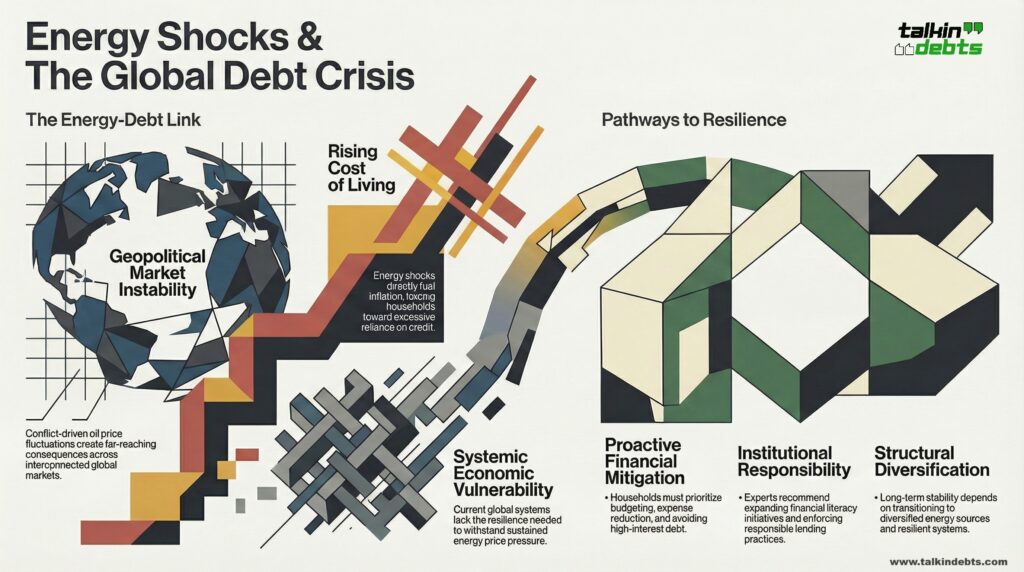
The potential for rising oil prices to drive household debt is becoming a growing global concern. Financial experts emphasize the importance of proactive measures to address this issue, including financial literacy initiatives and responsible lending practices.
Households are also being encouraged to adopt more cautious financial strategies, such as budgeting, reducing unnecessary expenses, and avoiding excessive reliance on credit. However, these measures can only go so far in the face of structural economic challenges.
The interconnected nature of global markets means that developments in the Middle East can have far-reaching consequences. As oil prices continue to fluctuate, their impact on inflation, cost of living, and household debt will remain a key area of focus for policymakers, businesses, and consumers alike.
Uncertain but Critical
Looking ahead, the trajectory of oil prices will play a crucial role in shaping global economic conditions. If geopolitical tensions ease, prices may stabilize, providing some relief to households. However, continued instability could sustain upward pressure on energy costs, prolonging the current challenges.
For now, the situation underscores the vulnerability of global economies to energy shocks. It also highlights the need for diversified energy sources and more resilient economic systems.
As households navigate rising costs and financial uncertainty, the risk of increasing debt remains a pressing concern. The coming months will be critical in determining whether this trend becomes a temporary challenge or a long-term economic issue with lasting consequences.