
Why Tracking Your Debt Is the First Step Toward Taking Control
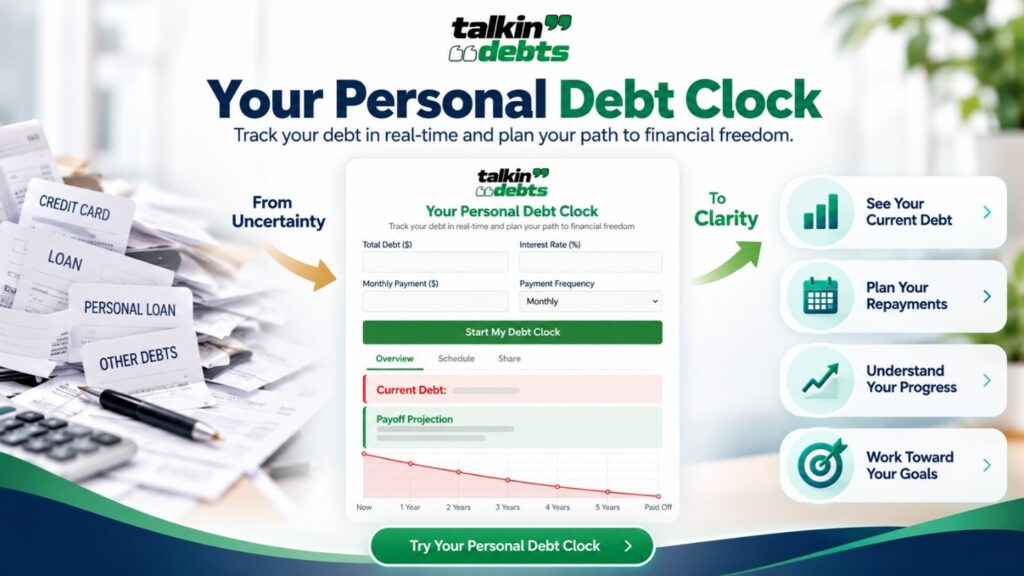
Debt can become difficult to manage when you do not have a clear picture of how much you owe, what your monthly repayments cost, or how interest affects your outstanding balances. Credit cards, personal loans, student loans, medical bills, and other financial commitments can gradually place pressure on your budget. Without a clear plan, it becomes harder to decide where to start.
Tracking your debt is the first step toward taking control of your finances. It helps you understand your current financial position, identify repayment priorities, and make informed decisions about your money. Instead of avoiding your balances or worrying about what you might owe, you can begin working with accurate figures and practical goals.
Whether you are managing several credit accounts or trying to pay off a single loan, understanding your debt gives you a starting point for improvement. With the right information and consistent habits, you can build a realistic repayment strategy and work toward greater financial stability.
What Does Tracking Your Debt Mean?
Debt tracking means regularly monitoring the money you owe, the payments you make, and the progress you achieve toward reducing your outstanding balances.
It involves collecting important details about every debt you have and reviewing them together rather than treating each payment as a separate obligation.
An effective debt tracking process includes:
- Outstanding balances: The amount you currently owe on each account.
- Interest rates: The cost of borrowing associated with each debt.
- Monthly payments: The minimum payments and planned repayments due each month.
- Payment due dates: When each payment must be made.
- Repayment progress: How much your balances have decreased over time.
- Additional borrowing: Any new debt that could affect your financial position.
When these details are organised in one place, you can better understand your financial commitments and identify areas that require attention.
You do not need an expensive financial management system to get started. A spreadsheet, a budgeting application, or a simple written record can help you monitor your debts. The most important thing is to keep your information accurate and review it regularly.
Why Tracking Your Debt Is the First Step Toward Financial Control
Taking control of debt begins with understanding your current situation. Without accurate information, even the best repayment intentions can become difficult to turn into action.
Here are five reasons why debt tracking matters.
1. It Gives You a Clear Picture of Your Finances
When you have multiple loans or credit cards, it can be difficult to remember every balance, interest rate, and payment deadline.
Debt tracking brings these details together and helps you calculate your total outstanding debt. This provides a starting point for reviewing your income, expenses, and repayment commitments.
For example, you might discover that several small balances are taking up more of your monthly budget than you realised. Alternatively, you may find that one high-interest account is increasing the overall cost of your borrowing.
Understanding the complete picture allows you to make decisions based on facts rather than assumptions.
2. It Helps You Identify Which Debts to Prioritise
Not all debts have the same financial impact. Interest rates, minimum payments, repayment terms, and consequences of missed payments can vary significantly.
Tracking your debt helps you compare these factors and decide how to allocate any additional money available for repayment.
Two common repayment approaches are:
- Debt avalanche method: Focus on paying off the debt with the highest interest rate first while maintaining the required payments on other accounts. This approach can reduce total interest costs.
- Debt snowball method: Focus on paying off the smallest balance first while maintaining payments on other debts. Clearing smaller accounts may provide motivation to continue.
Your circumstances will determine which approach is appropriate. Essential living expenses, minimum contractual payments, and any accounts with urgent consequences for missed payments should be considered before committing extra money to a particular debt.
3. It Helps You Recognise Changes Before They Become Bigger Problems
Debt balances can change because of interest charges, fees, new borrowing, missed payments, or changes in repayment amounts.
If you only review your accounts occasionally, these changes may go unnoticed.
Regular debt tracking helps you identify whether your balances are decreasing as expected. If a balance remains unchanged despite consistent payments, you can investigate the interest charges and how much of each payment is reducing the principal.
Early awareness gives you more time to review your budget, contact your lender, or seek appropriate financial guidance when necessary.
4. It Makes Financial Goals More Practical
A goal such as becoming debt-free can feel overwhelming when you do not know where to begin.
Tracking turns a broad objective into measurable steps. You can set monthly repayment targets, monitor progress, and adjust your plan when your circumstances change.
For instance, if you owe $6,000 across several accounts, you can record the starting balances and review how much you repay each month. Your actual repayment timeline will depend on interest, fees, payment amounts, and any additional borrowing.
Progress may be gradual, but seeing the numbers change can help you stay focused on your financial priorities.
5. It Encourages Better Money Habits
Debt management is not only about making payments. It also involves understanding spending patterns and avoiding borrowing that your budget cannot comfortably support.
When you track your debt alongside your income and expenses, you can identify where your money goes and whether your current spending habits are sustainable.
This information can help you make practical changes, such as reviewing subscriptions, planning purchases, building an emergency fund, or setting limits on discretionary spending.
Over time, these habits can support more informed financial decisions and reduce dependence on additional borrowing.
How to Start Tracking Your Debt: A Step-by-Step Guide
You can begin tracking your debt with a few straightforward actions. The objective is to establish a reliable overview and use it to guide your next decisions.
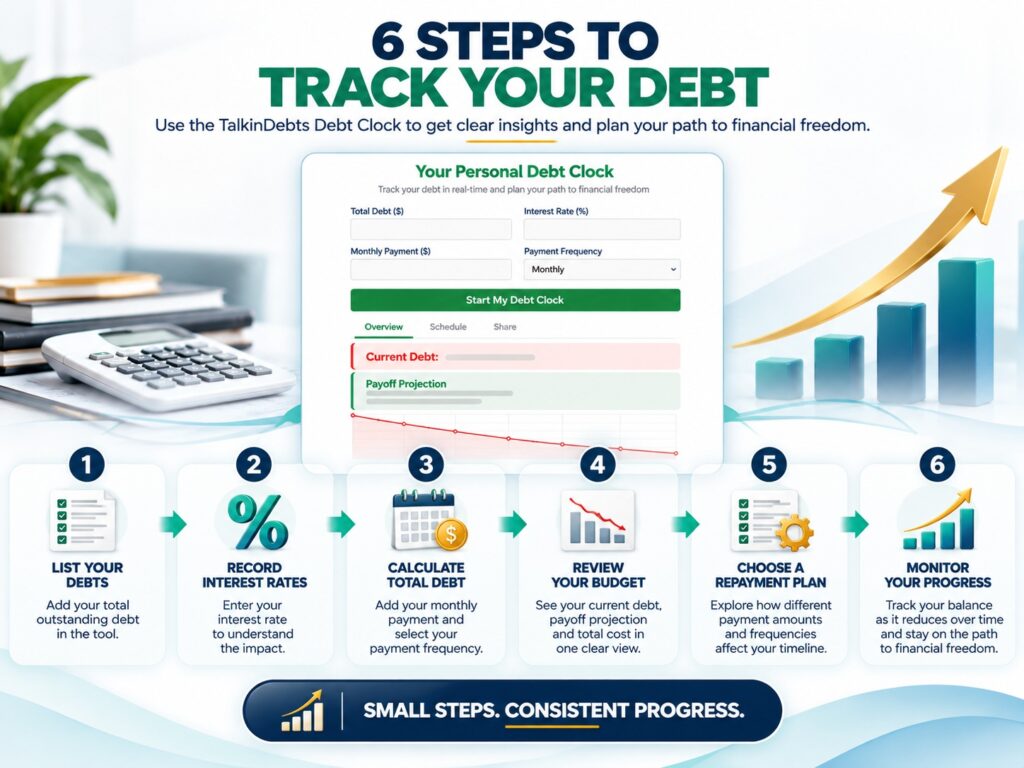
Step 1: List Every Outstanding Debt
Gather your latest statements and account information. Include credit cards, personal loans, student loans, medical debt, auto loans, and other outstanding obligations.
Record the current balance for each account. Where relevant, distinguish between secured and unsecured debt because they may involve different risks and consequences.
Do not rely on memory alone. Use current account statements or information from your lenders.
Step 2: Record Interest Rates and Payment Details
For each debt, record the applicable interest rate, minimum payment, due date, and repayment terms.
This information helps you understand the cost of each obligation and identify which payments require immediate attention.
If you are unsure about a rate or fee, verify it with your lender rather than making an assumption.
Step 3: Calculate Your Total Debt
Add the outstanding balances together to calculate your total debt.
This figure provides a useful baseline for measuring future progress. However, it should not be viewed in isolation. Your income, essential expenses, savings, and other financial obligations also influence your ability to repay what you owe.
Step 4: Review Your Monthly Budget
Compare your take-home income with essential living expenses, debt payments, and other regular commitments.
Determine how much money is realistically available for additional repayments after accounting for necessary expenses and an appropriate financial buffer.
Avoid setting repayment targets that leave you unable to cover essential costs or likely to rely on new borrowing.
Step 5: Choose a Repayment Strategy
Once you understand your balances and budget, choose a repayment approach that fits your situation.
You might prioritise high-interest debt, clear smaller balances for motivation, or address accounts that have urgent consequences if payments are missed.
Make sure you understand the terms of each debt before changing payment arrangements.
Step 6: Review Your Progress Regularly
Update your records at least monthly, or more frequently if you need to monitor changing balances and upcoming payments.
Compare your current figures with your starting point. If your debt is not decreasing as expected, review your interest charges, spending, and repayment amounts.
Your tracking system should help you make adjustments rather than simply record numbers.
How a Debt Clock Can Support Financial Awareness
A debt clock offers a visual way to think about debt and understand why monitoring outstanding obligations matters.
For individuals, the broader lesson is that debt figures are not just numbers on a statement. They represent financial commitments that can affect monthly budgets, future plans, and the ability to build savings.
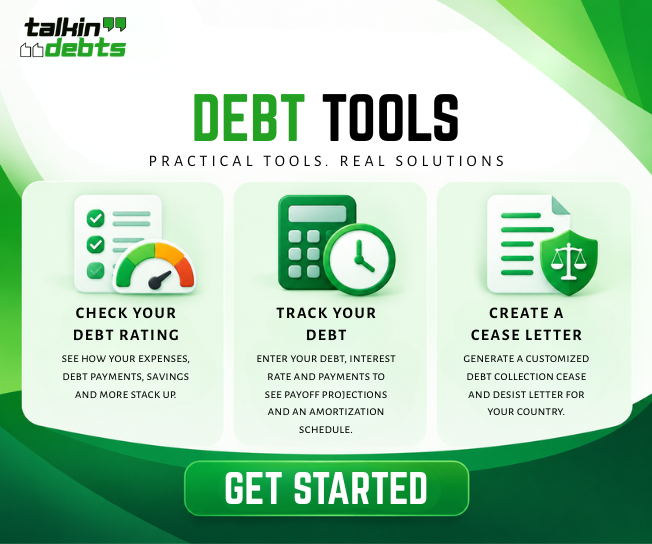
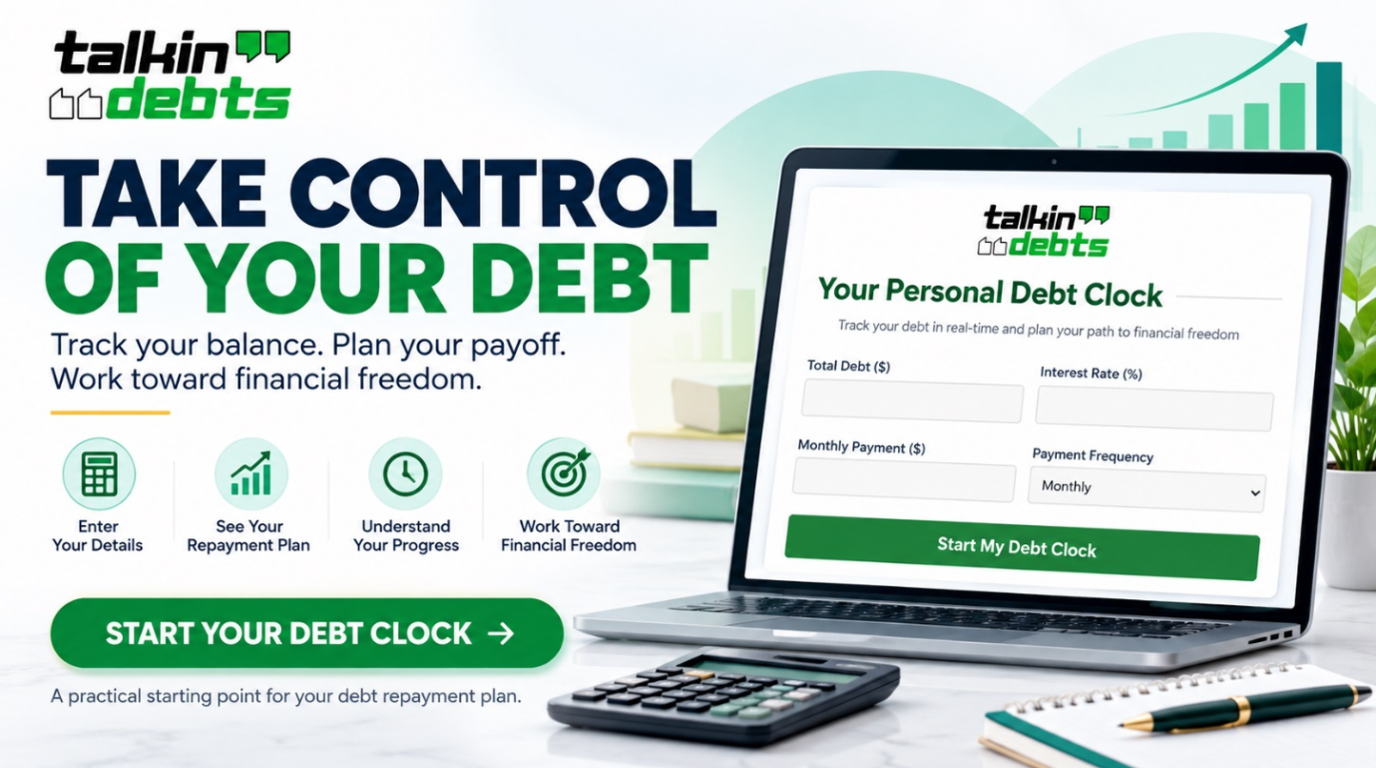
The TalkinDebts Your Debt Clock: Personal Debt Tracker provides a relevant starting point for exploring debt awareness. Visit the page to explore the debt clock and use the experience as an opportunity to reflect on the importance of understanding debt.

It is important to distinguish a debt clock that displays broader debt figures from a personal debt tracker that calculates your own account balances. A general debt clock should not be treated as a personalised calculation of your liabilities unless it specifically supports that function.
For a more complete personal overview, combine debt awareness with your own account statements, a repayment spreadsheet, and a monthly budget. Together, these resources can help you establish a clearer picture of your finances and make informed decisions about your next steps.
Common Debt Tracking Mistakes to Avoid
Tracking your debt is useful only when the information is accurate and leads to practical action.
Watch out for these common mistakes:
- Ignoring small balances: Small debts still contribute to your total financial obligations.
- Forgetting interest and fees: These costs can affect how quickly your balances decrease.
- Recording outdated figures: Old balances can make your repayment plan inaccurate.
- Missing payment deadlines: Poor organisation can lead to additional charges or other consequences.
- Focusing only on the total: Your interest rates, cash flow, and repayment terms also matter.
- Setting unrealistic targets: Repayment goals should reflect your actual financial circumstances.
- Taking on new debt without reviewing your budget: Additional borrowing can undermine repayment progress.
Consistency is more valuable than complexity. A simple system that you maintain every month is generally more useful than a sophisticated system you rarely update.
Frequently Asked Questions About Tracking Your Debt
Tracking your debt helps you understand your total outstanding balances, monitor repayment progress, compare interest costs, and organise payment deadlines. It also gives you a clearer starting point for developing a realistic repayment plan.
A monthly review is a practical starting point for most people. You may need to check more frequently if your balances change significantly, you have irregular income, or several payments are approaching.
You can use a spreadsheet, a budgeting application, or a written list. Record each balance, interest rate, minimum payment, and due date, then update the information regularly.
Tracking alone does not eliminate debt. However, it can help you identify priorities, understand interest costs, manage payments, and make more informed decisions that support your repayment goals.
A debt clock generally displays a debt figure that changes over time, often to illustrate broader borrowing trends. A personal debt tracker records an individual’s actual balances, payments, and repayment progress. Check what a specific tool measures before relying on it for personal financial planning.
Take the First Step Toward Taking Control of Your Debt
You cannot make informed decisions about debt without understanding what you owe. Tracking your balances, interest rates, payment deadlines, and repayment progress helps turn financial uncertainty into a clearer plan of action.
Start by reviewing your accounts, calculating your total outstanding debt, and setting realistic repayment priorities. Review your progress consistently and adjust your approach when your circumstances change.
Ready to build greater awareness of debt? Visit the TalkinDebts Your Debt Clock to explore the debt clock and take a moment to reflect on your own financial position.
Understanding debt is the beginning. Consistent tracking, informed decisions, and realistic financial habits can help you work toward a more manageable financial future.